

THANK YOU FOR SUBSCRIBING


Logistics Tech Outlook Weekly Brief
Be first to read the latest tech news, Industry Leader's Insights, and CIO interviews of medium and large enterprises exclusively from Logistics Tech Outlook
A featured contribution from Leadership Perspectives: a curated forum reserved for leaders nominated by our subscribers and vetted by our Logistics Tech Outlook Advisory Board.

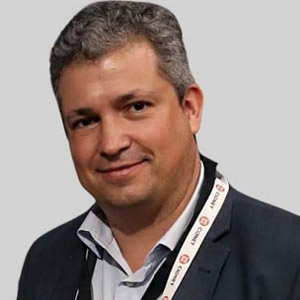
Miguel Cordeiro is a dynamic, results-driven IT executive with over 20 years of experience leading technology innovation, digital transformation, and aligning IT with business goals. He has a proven track record of managing large, global, cross-functional teams (40+ FTEs), overseeing P&L, shaping IT strategy, and delivering high-impact projects that improve operational efficiency and reduce costs.
In an exclusive interview with Transportation Review Europe, he shared his invaluable insights regarding the latest development within the industry, the prevailing challenges and possible solutions.
Can you walk us briefly through your leadership role as Director of Information Technology Systems? What are your key responsibilities and areas of focus?
The Director of IT Systems at Rangel Logistics Solutions is an executive leadership role, with the opportunity to dive into tactics and even some operational hands-on activities. I have the privilege to lead a multi-disciplinary team, from traditionally ICT to project and product development that covers the whole portfolio of products and services from all different business lines of the Company.
My team and I balance our focus between IT Operations, that keep a 24x7 operation running in 9 countries from Europe, Africa and Americas and project implementations. Projects can be developing and evolving the digital products used by the company, but also customer-facing projects, where we deliver and adjust customize solutions to their logistics processes and workflows.
“The only certainty is that the IT Leader must fully understand the company culture, the business context and cultivate a healthy relationship with the relevant stakeholders.”
On top of all that, we must also enable and facilitate innovation, by providing lean and agile platforms and products while at the same time keeping the organization safe, by implementing secure practices, systems and best practices.
How do you strike the right balance between innovation and risk management in enterprise IT strategy?
Well, that really depends on the Company risk availability global context. IT is just one piece of the board. Rangel has a wide set of businesses, and not all share the same appetite for risk, so balancing between all this organizational context can be a challenge. Some areas follow regulatory guidelines, others have strict cost efficiency practices, but at the end logistics is a very competitive business, with many mature players, so being and acting different is a competitive advantage. So, we are very attentive to opportunities and signals that customers and the markets send, to be the first or the best at something. That is also a way to innovate.
Given your experience managing distributed global teams, what are your strategies for maintaining performance, resilience, and 24/7 operations across time zones?
For me the right solution is to invest and put effort into the design and build phase of the systems, to make them highly resilient. It’s cheaper and easier to build resilient, robust and error (as possible) free than setting a structure to quickly react. At some level we must implement response measures, of course, but with a serious quality problem in the origin, any quick response structure will be costly, and customer satisfaction will always be deeply affected. Some of the practices we try to always apply:
• Preventive monitoring for errors
• Robust error handling in all systems you build
• Train and align alternatives and workarounds with your users.
You must have a business continuity mindset in every you build and implement.
How can IT leaders build stronger alignment between technology and business outcomes—especially in traditionally operations-heavy industries?
Unfortunately, I don’t believe there is a one-size-fits-all solution to ensure alignment between tech and business. The only certainty is that the IT Leader must fully understand the company culture, the business context and cultivate a healthy relationship with the relevant stakeholders. As in a regular marriage, money discussions can pollute and degrade a relationship, so clear and co-shared decisions regarding investments and budgetary decisions are part of the best practices book of knowledge. Another certainty is that projects and initiates should have previously aligned metrics and KPIs that measure the success and prevent subjective conclusions, many times shaped by the of-the moment context.
What is one piece of advice you would give to aspiring IT leaders who want to drive meaningful transformation in complex, fast-paced environments?
The piece of advice I can share are basically the two beliefs I nurtured over my entire professional path:
Have a growth mindset. Statistically, problems, threats, ambiguity and unforeseen events will be more likely than clear and calm paths, so having the ability to deal with and turn that into learning and opportunities will be a plus, always. On the other hand, a fixed mindset will keep you always in a defensive and negation. Looking back and around, who lists in the history books?
Take ownership of things! “That is not my job”, “The rest must do their share” is heard many times in companies, teams and workgroups, but those that stand out are those that can see beyond and make things happens.
