
THANK YOU FOR SUBSCRIBING


Logistics Tech Outlook Weekly Brief
Be first to read the latest tech news, Industry Leader's Insights, and CIO interviews of medium and large enterprises exclusively from Logistics Tech Outlook

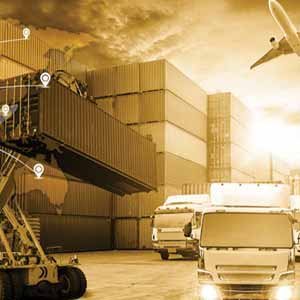 In the transportation and logistics industry, digitalization has aided in integrating diverse players. It has boosted efficiency and reduced costs while maintaining great customer satisfaction.
Fremont, CA: In industries such as healthcare and education, digital technology has revolutionized many elements of people's life. With more people having access to computers for everyday work, transportation and logistics have also undergone changes as a result of digitization. From online grocery stores to local delivery apps to on-demand airport shuttle services, technology has provided customers with more options and opportunities at a lower cost than ever before.
Stay ahead of the industry with exclusive feature stories on the top companies, expert insights and the latest news delivered straight to your inbox. Subscribe today.
AI, IoT, Autonomous cars, smart connected vehicles, location services, cloud-based systems, blockchain in logistics, and self-driving drones are all digital trends in the transportation and logistics sector.
AI
In the late 1990s, technology began to revolutionize the transportation and logistics industry. Many small enterprises arose, improving customer service and the manner in which individuals received their products. However, digitization has been ongoing, and various technological advancements have contributed to it being a more widespread concept today. Artificial intelligence (AI) has altered business practices by analyzing data more precisely than humans.
IoT
The Internet of Things is also important in the transportation and logistics industry. It enables organizations to optimize processes, cut costs, and provide better services by utilizing real-time data. IoT can also aid with network management when there are a lot of devices to keep track of.
Autonomous vehicles
For a long time, the transportation industry has been anticipating self-driving automobiles. Many firms are conducting research to make this technology more resilient and ready for even the most difficult traffic circumstances. Autonomous automobiles are controlled by artificial intelligence, making them really intelligent and dependable, as well as environmentally benign due to the use of electric energy, unlike traditional combustion engines.
Cloud-based systems
By integrating better technology into company operations, cloud computing has already had an impact on the transportation industry. Companies now have additional options for storing sensitive data and having complete access to it from anywhere in the world, thanks to cloud-based solutions. In most situations, transportation businesses opt for cloud-based solutions since it allows them to concentrate on their primary business responsibilities, such as providing services. Companies can also employ cloud-based systems to share data with other organizations via APIs, resulting in increased efficiency.
More in News
