
THANK YOU FOR SUBSCRIBING


Logistics Tech Outlook Weekly Brief
Be first to read the latest tech news, Industry Leader's Insights, and CIO interviews of medium and large enterprises exclusively from Logistics Tech Outlook

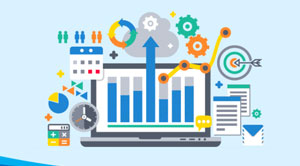 Predictive analytics software is proficient in taking digital data across the entire supply chain network, evaluating it, predicting consumer behavior and demand for products, and the risks and the opportunities in the future.
FREMONT, CA: A range of challenges like omnichannel sales, overstocking, seasonal demand fluctuation, out-of-stock situations, backorders, order returns, and the persistent striving for ever-shorter lead times create a burden for better warehouse process and operations management. Therefore, an extensive number of warehouses have now embraced and–many more are willing to use–predictive analytics in warehouse management. This facet helps them not only to foresee future situations and needs
Stay ahead of the industry with exclusive feature stories on the top companies, expert insights and the latest news delivered straight to your inbox. Subscribe today.

but also to expand warehouse operations.
Today, predictive analytics software is proficient in taking digital data across the entire supply chain network, evaluating it, predicting consumer behavior and demand for products, and the risks and the opportunities in the future. For instance, based on the statistics from the past holiday seasons and consumer behavior, analytics tools can estimate the expected demand for each product for the next holiday season. It also determines the safety level stock for the same.
Applying these methods creates models through predictive algorithms to give businesses a number that marks the possibility of future events. It helps measure impending risks and identify opportunities in the near and far future. Besides, through this technology, big data comes to be decrypted and made use of in the most suitable manner possible.
Below are a few things that businesses can do with predictive analytics:
Demand Prediction
This feature lets businesses predict demand across multiple channels depending on consumer behavior and previous demand patterns, specifically in periodical need. The overwhelming volume of information produced in warehouses today can be employed very well by forecasting analytics to help predict demand.
Inventory Optimization
Predictive analytics tools are now helping prevent out-of-stock situations and overstocking by predicting future supply-demand. Insight into consumer buying patterns helps in maintaining safe stock levels and make improved inventory management decisions.
Data Customization and Refinement
Data analytics lets firms explore and link data in ways that were almost impossible before. By pulling data from different sources (financials, seasonal demand, operations) and applying data analytics and modeling to this data universe, corporations can have a comprehensive tactic to make more reliable business decisions.
Enhanced Customer Service:
The probability of demand, stock, and warehouse operations founded on consumer behavior leads to better management and better customer service.
More in News
