

THANK YOU FOR SUBSCRIBING


Logistics Tech Outlook Weekly Brief
Be first to read the latest tech news, Industry Leader's Insights, and CIO interviews of medium and large enterprises exclusively from Logistics Tech Outlook
A featured contribution from Leadership Perspectives: a curated forum reserved for leaders nominated by our subscribers and vetted by our Logistics Tech Outlook Advisory Board.

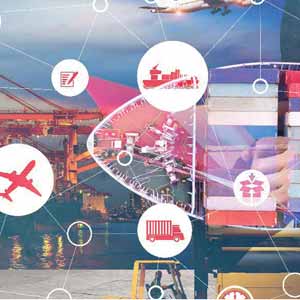 Numerous new opportunities are created by digital technologies. Perhaps the most obvious advantage of warehouse automation is the ability to maintain consistent work around the clock using fleets of robots and drones.
FREMONT, CA: Today, warehouse efficiency is built on automation and data-driven operations. Increased demand, burgeoning eCommerce, and fierce competition have compelled nearly every storage, logistics, and retail company to consider integrating warehouse automation technology. However, the strategies they employ vary significantly according to scale and budget.
Warehouse automation encompasses much more than robotic arms and RFID tags. The development and application of warehouse automation systems and technologies present numerous opportunities for executives and managers in this sector—they can address a variety of business needs, assist businesses in solving unique problems, and shape their competitive edge.
Warehouse management software (WMS) encompasses a broad range of tools that integrate seamlessly into warehouse operations. They improve managers' visibility and control, allowing them to eventually fully automate supply chain processes from order to distribution and shipping.
WMS are widely used tools that assist managers in planning and automating daily routines across the warehouse, maintaining and locating inventory, managing employee operations, and create customized workflows. The numerous benefits of an automated warehouse management system make it an essential back-office toolkit for businesses of all sizes.
The Warehouse Control System (WCS) is primarily concerned with material handling operations on the floor. It enables the efficient distribution and fulfillment of orders by connecting people, machines, and goods. The Warehouse Execution System (WES) is a more comprehensive solution that can be integrated with existing WMS and WCS or provide all-in-one warehouse automation functionality. These are truly intelligent systems that use real-time data to adjust operations planning and execution automatically in response to priorities, workload, resources, and capacity.
Effectiveness and client satisfaction: One of the primary reasons large retailers and logistics organizations invest in developing fully automated warehouse systems is to improve operational efficiency and respond to growing client demands. Today's smart warehouses have much higher ceilings, are constantly refilled and resupplied, and enable services such as same-day delivery.
Management of labor: While it may appear backward, many warehouse automation advantages are directed toward warehouse staff. Rather than taking over people's occupations, mobile robots and drones, for example, can help reduce on-site commute time and perform routine tasks. It enables better management and utilization of human resources in warehouse operations.
As a result, warehouse workers become more involved in intellectual work, are more content with their occupations, and are encouraged to improve their abilities.
Safety: Increased safety for both humans and product are reason enough to consider developing warehouse automation systems. Warehouse operations are frequently involved with high-risk tasks, including carrying big pallets and high racks, operating in high-traffic areas, and occasionally working with poisonous items (e.g., chemicals). Today's robots can perform most of these tasks, removing the danger of injury to workers.
Increased resilience: When the pandemic struck, highly automated warehouses gained an advantage since they were by definition more resilient to unanticipated shifts. The long-term increase in consumer goods demand and new safety, sanitation, and social distancing regulations have been particularly harsh on wholly human-operated warehouses. On the contrary, businesses that could mobilize their fleets of warehouse cars and robots and manage all inventory and operations from a single dashboard were more prepared.
