

THANK YOU FOR SUBSCRIBING


Logistics Tech Outlook Weekly Brief
Be first to read the latest tech news, Industry Leader's Insights, and CIO interviews of medium and large enterprises exclusively from Logistics Tech Outlook

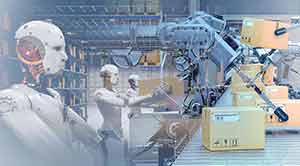 For decades, the logistics business has relied on a core, relatively consistent set of processes and technologies to manage supply chains, people, and communications.
Technical advancements have been ongoing, with digital technology now assisting in delivering COVID vaccines. This is the situation in which technology remodels freight forwarders' future and the more critical links of global supply chains.
Stay ahead of the industry with exclusive feature stories on the top companies, expert insights and the latest news delivered straight to your inbox. Subscribe today.
Technology is remodeling the freight forwarding industry's future.
While computing the impact of COVID-19 on logistics worldwide is not straightforward, data already provides some guidance. For example, the International Finance Corporation reported the following:
Land freight: Contrasting ocean and air transport, land transit has usually remained partially available globally due to the continued operation of roads, until in regions subject to severe lockdowns. Trucking capacity is constrained through increased demand for their services—particularly food and medical supply transportation—during the lockdown and lower staff availability (due to COVID-19-related limitations), resulting in increased rates.
Airfreight: Capacity reductions are more than net demand reductions, supporting higher air freight rates.
Business contacts and technology give leeway in this situation. It takes a crisis to recognize how whole years spent cultivating relationships are, demonstrating the importance of adaptability, culture, and technology. As freight forwarders agree on emerging technology cautiously, the two variables unite to shape the industry's future.
Fleet management systems: In recent years, FMS(fleet management systems) have been an asset, but they are now the main example of how technology is reshaping the future of freight forwarders. FMS software optimizes fleet efficiency through GPS, telematics, and other information technologies. FMS track critical, actionable metrics and assists in necessary fleet management activities through their essential characteristics. FMS software to help logistic sectors in managing fleet has become abundant and continues to grow to suit industry demands.
Blockchain: Automation involves a rise in cybersecurity risk. In this sense, blockchain technology is converting the freight forwarding industry's future by redefining security.
Blockchain technology reveals new security frontiers due to its inherent resistance to data alteration and selective access mechanisms. As a result, freight forwarders can use it to reduce earlier safety expenses while improving process efficiency.
Integration with present procedures continues to develop, providing shippers along the supply chain with extra transaction verification choices. Obtaining information will be critical to this system, as all stakeholders will have access to consolidated ledgers to decide the legitimacy of data and study them.
Check Out This : Supply Chain Data Management
More in News
