

THANK YOU FOR SUBSCRIBING


Logistics Tech Outlook Weekly Brief
Be first to read the latest tech news, Industry Leader's Insights, and CIO interviews of medium and large enterprises exclusively from Logistics Tech Outlook

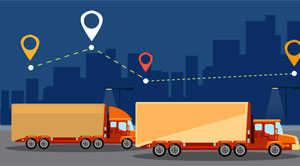 Today, fleet solutions make scheduling effortless and accurate. With digital touchpoints and a central database to correspond with drivers, dispatchers can examine assigned jobs and staff accessibility to plan routes swiftly and competently, even when there are last-minute changes to be made.
FREMONT, CA: Fleet management is a way for firms to improve productivity, control costs, lower risk, and uphold compliance in their vehicle fleets. It is an essential function for any business that owns or leases vehicles—vans, trucks, or even aircraft or drones—as part of their regular operations.
Stay ahead of the industry with exclusive feature stories on the top companies, expert insights and the latest news delivered straight to your inbox. Subscribe today.
Below are four critical benefits of fleet management
1. Lower Fuel and Maintenance Expenses
Maintaining a fleet is costly. Most enterprises are chiefly concerned with fuel overhead and costs. Fuel costs can be particularly challenging as they depend on market forces along with the efficiency of the fleet itself. Fleet management solutions that contain fuel efficiency tracking and GPS are essential for minimizing the expenses. Real-time data on driver downtime, fuel consumption, and maintenance reports facilitate businesses to classify areas for development and opportunities for cost savings.
2. Improved Safety for Drivers
Drivers are at the center of each fleet, and their safety stays at the top. The majority of fleet management solutions permit firms to keep up with their vehicles’ standard maintenance schedules, which trim down the risk of breakdowns and other issues. Speed tracking devices, onboard safety software, and heads up alerts concerning inclement weather and varying traffic patterns can also help in protecting drivers.
3. More Visibility into Fleet
At the moment, no company can expect to perform well unless they are generating and leveraging data. Any business that manages or leases a fleet of vehicles is no different. Most fleet management software can offer fuel efficiency data, vehicle-use data, and other types of data to help firms identify vital opportunities to capitalize on competence.
4. Easier Scheduling
 Scheduling and dispatching vehicles are two stressful activities for any organization that relies on a fleet. Earlier, dispatchers and schedulers had nothing but a telephone, pen, and paper to keep the fleets moving. Today, fleet solutions make scheduling effortless and accurate. With digital touchpoints and a central database to correspond with drivers, dispatchers can examine assigned jobs and staff accessibility to plan routes swiftly and competently, even when there are last-minute changes to be made.
See Also: Top Logistics Tech Solution Companies
More in News
